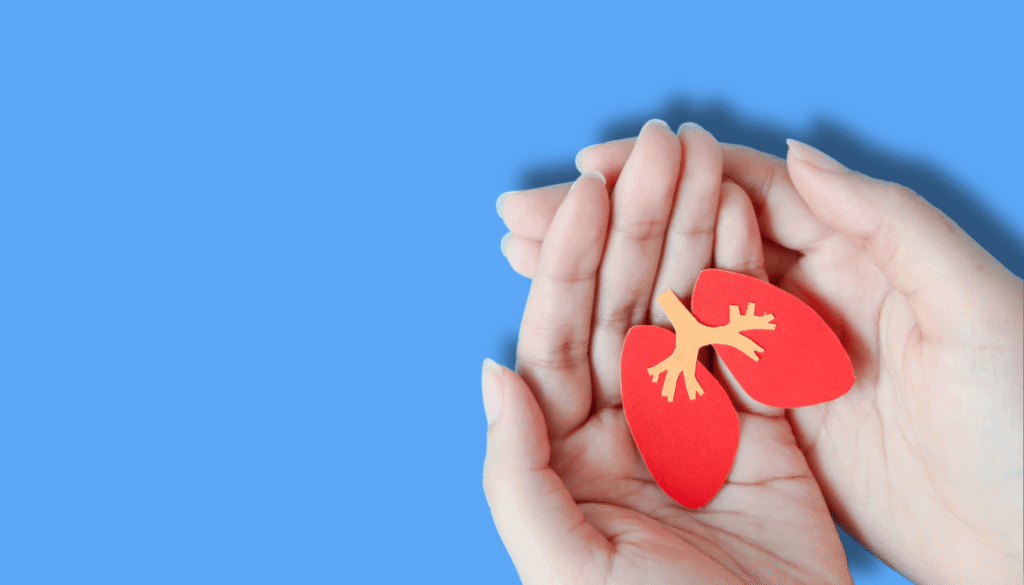
As the weather turns colder, it’s especially important for people with muscular dystrophy and related neuromuscular conditions to care for their breathing and lung health. Cold, dry air and seasonal viruses can make it harder to stay well, but a few simple habits and targeted breathing exercises can help protect your respiratory health.
Why breathing needs extra care in colder weather
Muscular dystrophy and other neuromuscular conditions can weaken the respiratory muscles, making it harder to take deep breaths or cough efficiently. This can lead to mucus build-up, increasing the risk of infection, which can be more serious than for people without muscular dystrophy.
In autumn and winter, these challenges can be worsened by cold, dry air, seasonal viruses, reduced activities, and hunching for warmth, which can potentially limit chest wall mobility. However, there are ways to reduce these risks and support your breathing.
Simple ways to protect your breathing this season
Stay ahead of infections by keeping up to date with flu and COVID vaccinations and encouraging family and carers to do the same. Avoid crowded areas and close contact with sick people where possible. Wearing a mask can help reduce your risk of catching viruses.
Continue your usual airway clearance routine or speak to your physiotherapist about the best techniques for you. Stay well hydrated to help mucus stay thin and easier to clear. Try to sit upright and maintain good posture to allow your lungs to expand and make it easier to cough.
Use breathing exercises to strengthen and protect your lungs
Breathing exercises, like those taught in our Breathing and More classes, are a gentle but powerful way to strengthen respiratory muscles, improve oxygen flow, and support mucus clearance. Over time, these exercises can also help reduce breathlessness and improve overall comfort.
Some useful exercises include:
- Diaphragmatic (Belly) Breathing: Focus on expanding your belly as you inhale slowly through your nose, then exhale fully through your mouth. This strengthens the diaphragm and encourages deeper breaths.
- Breath Stacking: Take a small breath, hold it, and then take one or two more small breaths “on top” before exhaling. This helps expand your lungs more fully.
- Pursed-Lip Breathing: Inhale gently through your nose and exhale slowly through pursed lips, making the exhale longer than the inhale. This keeps airways open longer and helps control breathlessness.
- 4‑7‑8 Breathing: Inhale through your nose for four counts, hold for seven counts, and exhale slowly through your mouth for eight counts. This technique calms the nervous system while supporting deep, controlled breaths.
- Box (Square) Breathing: Inhale for four counts, hold for four, exhale for four, and hold again for four. Repeat. This encourages steady, relaxed breathing and can be combined with mindfulness.
Support your wellbeing through mindfulness
Mindful breathing can calm the nervous system, reduce stress, and bring focus to your breath. Many people find it improves sleep, helps them feel more relaxed , and increases a sense of control over breathing. Even a few minutes of mindful breathing each day can support emotional wellbeing and make it easier to cope with the challenges of a long-term condition.
Prepare for winter weather
- Make sure any respiratory equipment, such as cough-assist machines or ventilators, is serviced and working properly and that you have spare parts available.
- If you rely on powered equipment, register with your energy provider as a priority customer in case of power cuts.
- Have an emergency plan in place, including contact details for your care team and information about your usual respiratory support settings.
Stay supported through our online classes
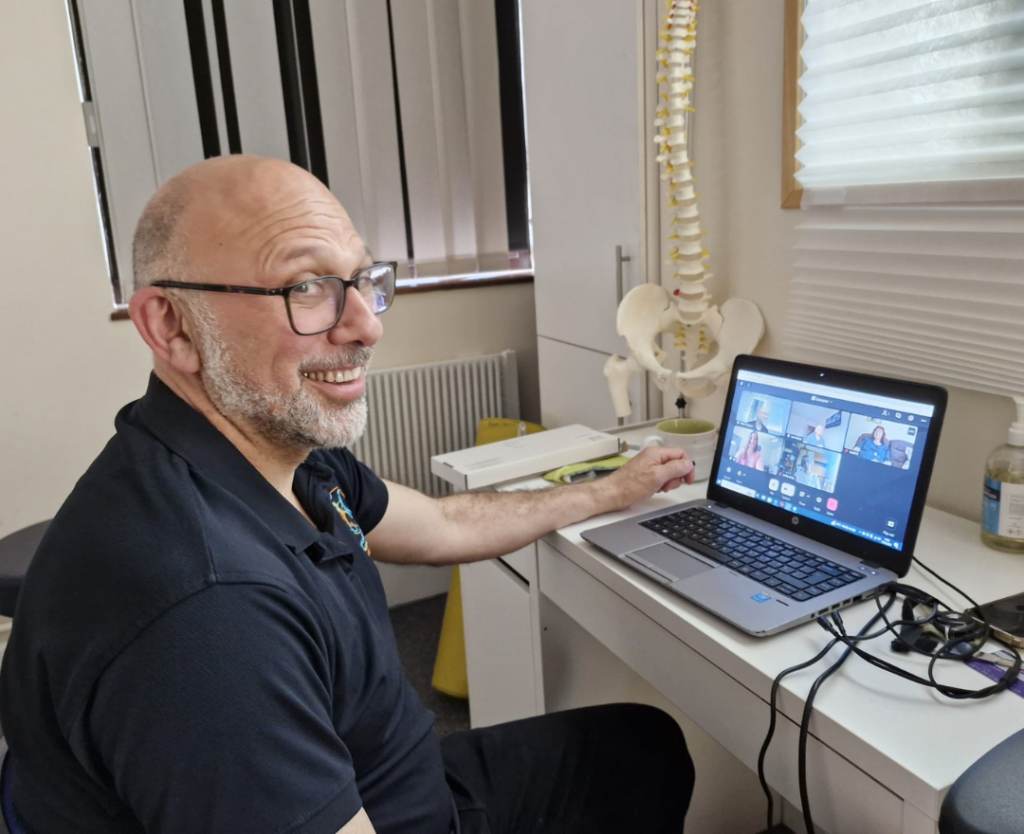
You don’t have to manage respiratory health alone. Our team and the Breathing and More classes are here to help you stay well, strengthen your lungs, and support your overall wellbeing. You can also access pre-recorded breathing classes from our Trustee Jane, together with an accompanying Breathing Techniques leaflet. In addition, our seated yoga classes incorporate gentle yogic breathing to further support lung function.
To join an online class, please visit the Online Therapies section of our website. Classes are free and no booking is required for the online sessions. There are a limited number of in-person spaces in the Breathing and More class. Please call us on 02476 100770 to learn more and book.