Meet the Team: Lynn Ward, Co-Lead Physiotherapist
Lynn Ward joined MD Support Centre as its very first physiotherapist. Over the past thirteen years, she has helped the charity grow from small beginnings into a leading specialist service for people living with muscular dystrophy. As Co-Lead Physiotherapist, Lynn has shaped how services develop and supported generations of service users.
Joining from the very start
“I was working as an associate Neuro physiotherapist for a company called PhysioFunction when their head of marketing met one of the founding trustees at MD Support Centre. The charity was just getting set up and they were looking for physiotherapists. I had been doing some work in Oxford, which was coming to an end, and they knew there was a need for a physio in Coventry. That physio was me.”
Lynn’s path to neuro physiotherapy started long before. “I graduated in 1997 and did a range ofjunior rotations, but neuro was always my passion. My senior rotations were neuro-based, then I lived in Canada for a few years working on an acute neurosurgical ward. When I came back to the UK, I worked in a neuro rehab hospital in Godalming, but it closed. I then moved into private Neuro physiotherapy in Winchester. When we moved to the Midlands, I wasn’t working much because I had two small children, and that’s when this opportunity came along.”
Shaping services and adapting to needs
In the early days, the charity’s small size allowed for flexibility and rapid change.
“If something was needed, we did it. If we wanted to add or change a service, we did it. Initial assessments needed more time, so we lengthened them, we trialled different equipment and explored how to involve it into sessions with reduced staffing levels. We learned as we went.”
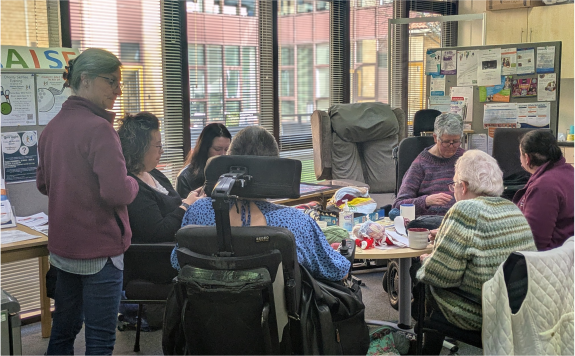
The ideas came from many sources. “Service users give constant feedback. Some of them have been here a long time and have seen all the changes happen. Some ideas came from what we noticed while treating people, and some from support from trustees and other staff. It was very collaborative.
“That flexibility doesn’t exist everywhere. As organisations get bigger, it can be harder, but I still think that ethos is very much part of the place. It’s been amazing to see the charity grow, and even more special to know you’ve been part of that growth.”
Long-term relationships and meaningful impact
The close-knit team environment means that Lynn has been able to build long-standing relationships with service users.
“It’s really touching. People often assume it must be sad because conditions progress, but I don’t see it that way. Most people face that progression with positivity, and I’d like to think it’s been slower and better supported.
“There’s something very rewarding about helping people. You build real relationships. It’s a two-way support – they get to know me as much as I get to know them, and many have seen me go through my own life changes over the years.”
Of course, there are challenging moments. “The heartbreaking part is when people are no longer with us. I’ve been to several funerals, and that’s incredibly hard, but it’s also part of life.”
Treating the whole person
A hallmark of the Centre’s approach is that the charity never discharges a service user, meaning each person receives person-centred time and care.
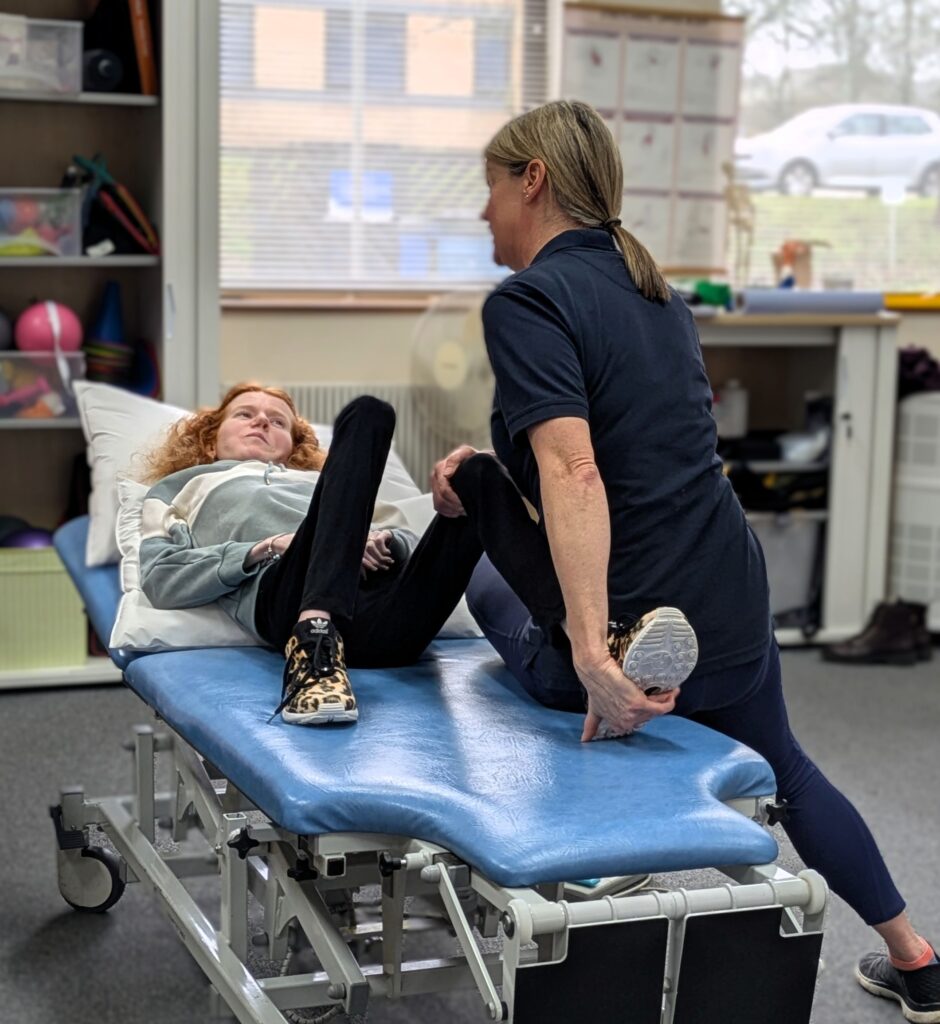
“There’s no pressure of six sessions and then you’re done. We have proper time with service users, which means we can treat them as a whole person. Sessions are rarely the same. One week it might be a shoulder, another week a knee, another week problem-solving how to get off the floor, or simply helping someone stretch and relax because they’re exhausted. You’re responding to what they need that day.”
Lynn often starts sessions by asking a simple question: “‘What do you want to work on today?’ That wouldn’t happen in many other settings. We’re also part of a wider team, involved in developing the service, not just delivering treatment, and service users are incredibly grateful. They’re often surprised that we truly understand their condition.”
Motivation and pride
For Lynn, it’s the people who keep her inspired. “I love the team I work with. Even as we grow, we’re still a relatively small team, and you really see how everyone contributes to making the organisation work. I love the service users and the work itself. There’s a real sense of reward in what we do. It might sound cheesy, but I’m genuinely never bored at work and that feels like a huge privilege.”
Her passion for healthcare goes back to childhood. “I always wanted to work in healthcare. As a child, I wanted to be a nurse, and later I started looking into allied health professions. I’ve wanted to be a physio from quite a young age, I don’t think I fully understood the extent of what physios got involved in at that stage, but I’ve never looked back. I can’t imagine myself doing anything else.”
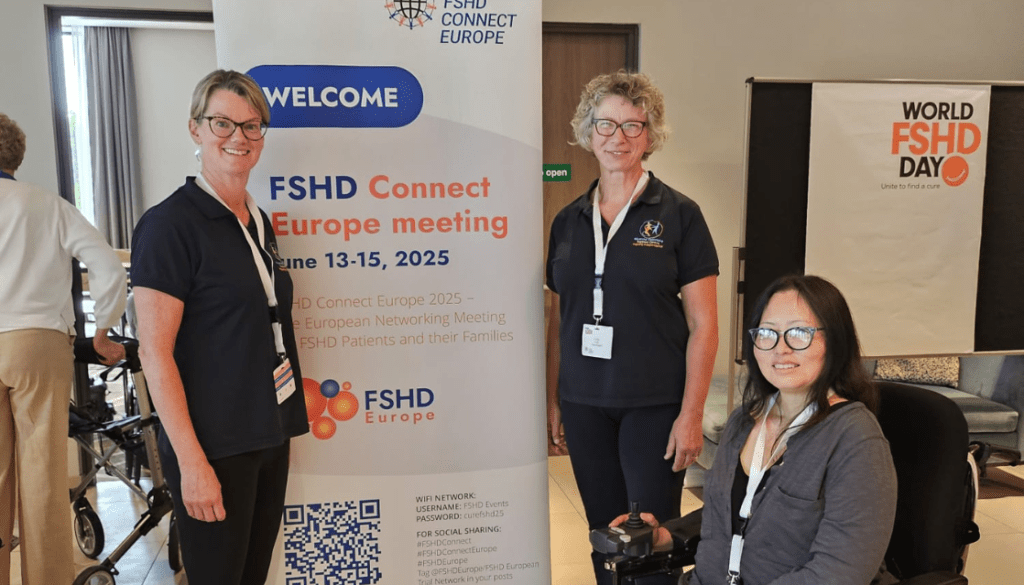
Lynn reflects proudly on personal and professional milestones. “One thing I’m really proud of is working alongside Ulrike. We’re very different people, but our strengths and weaknesses complement each other. I couldn’t have done what I’ve done without her. Personally, I’m also proud of speaking at the FSH Europe event last year in Amsterdam. If you’d asked my 15-year-old self, I would never have believed I’d stand in front of hundreds of people with a microphone. Completing the bike ride last year was another big personal achievement.”
Looking ahead
For Lynn, the journey at MD Support Centre is far from over. She continues to shape services, support service users, and inspire the team around her. Her story reflects the heart of the organisation: long-term care, adaptability, and the human connections that make the work so rewarding.
“It’s lovely to see something grow, but even more special to know you’ve been part of that growth.”